


Character Education and Sport – Leading by Example
An article by Emma Turner, Director of Sport
In sport, leadership is demonstrated through actions as much as words, from the standards set in training to the response shown in moments of adversity. It calls for resilience, responsibility and the ability to bring people together.
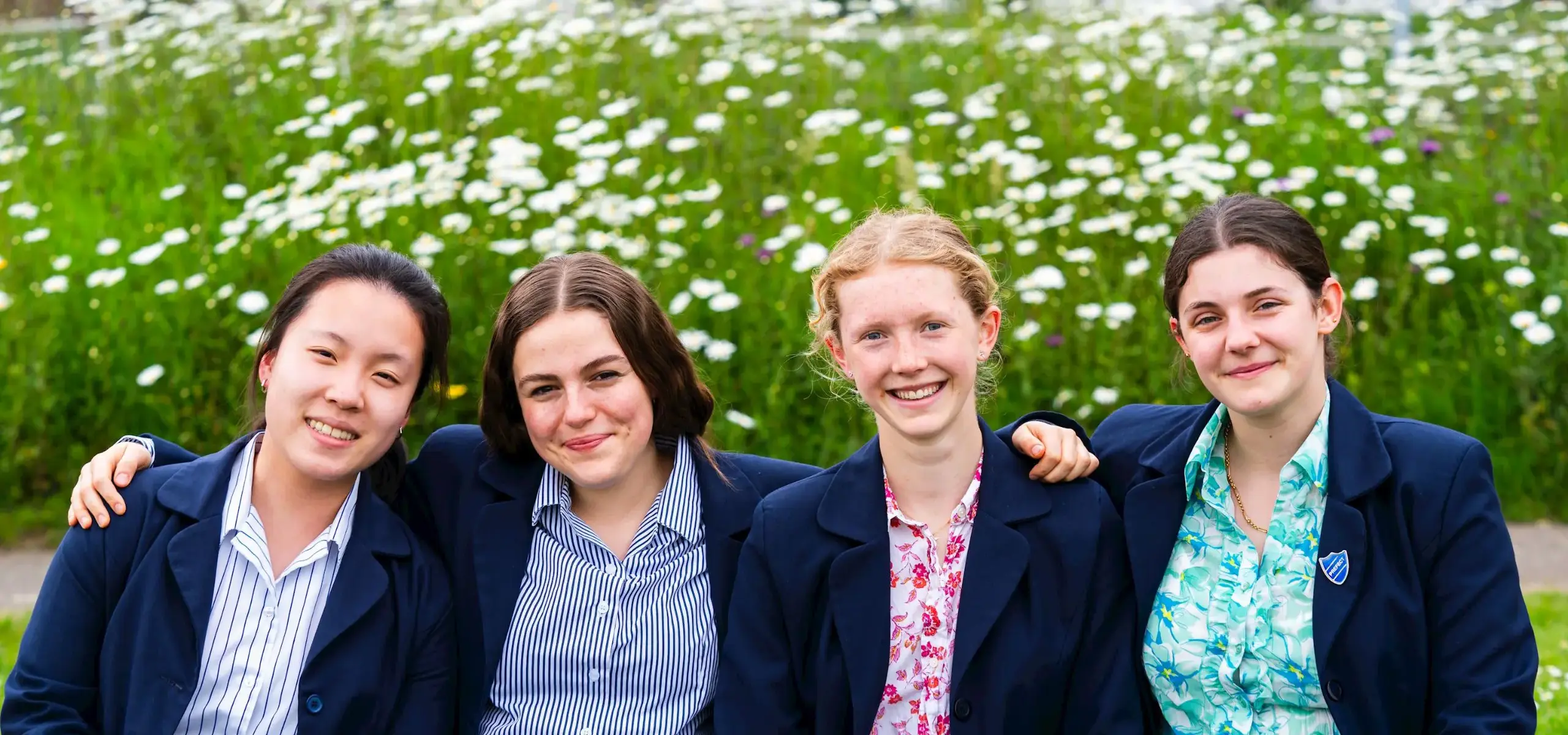
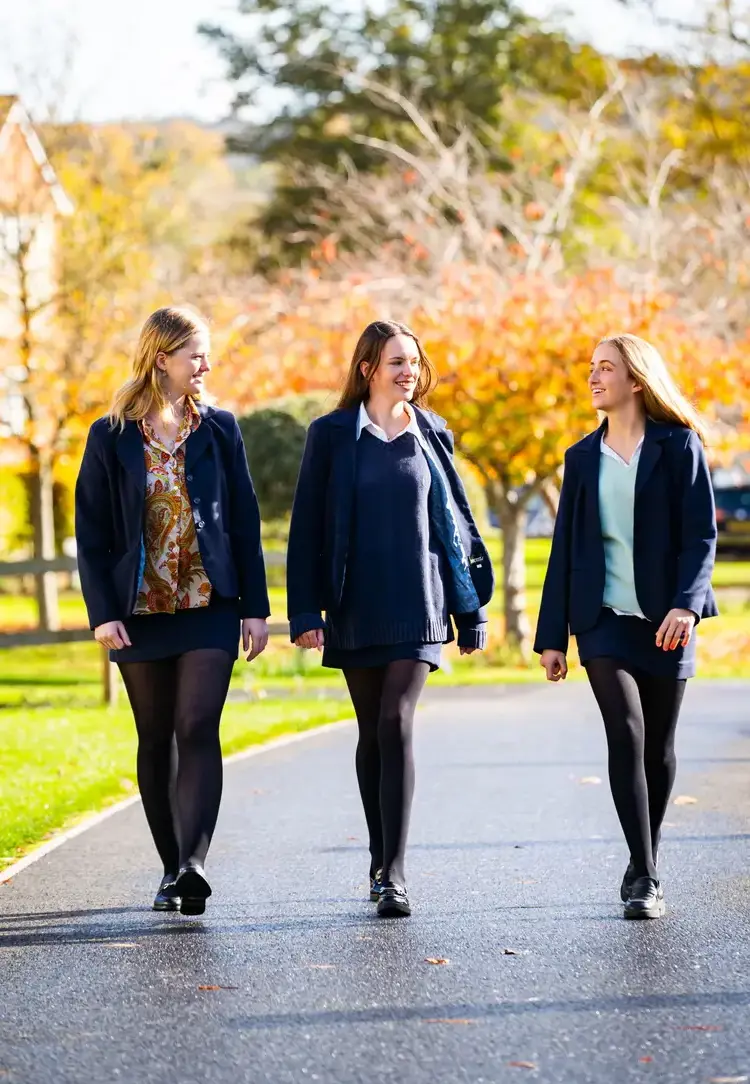
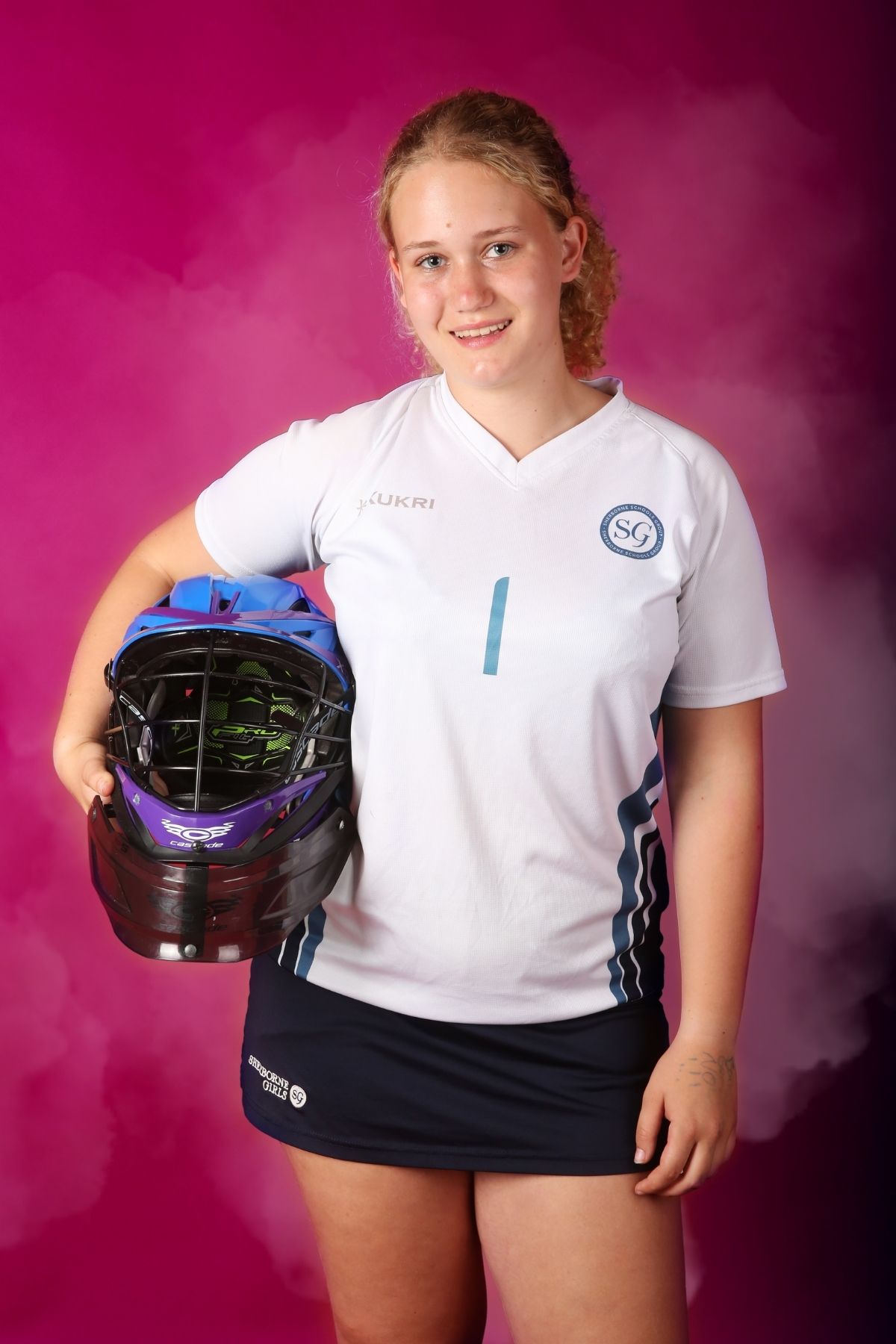
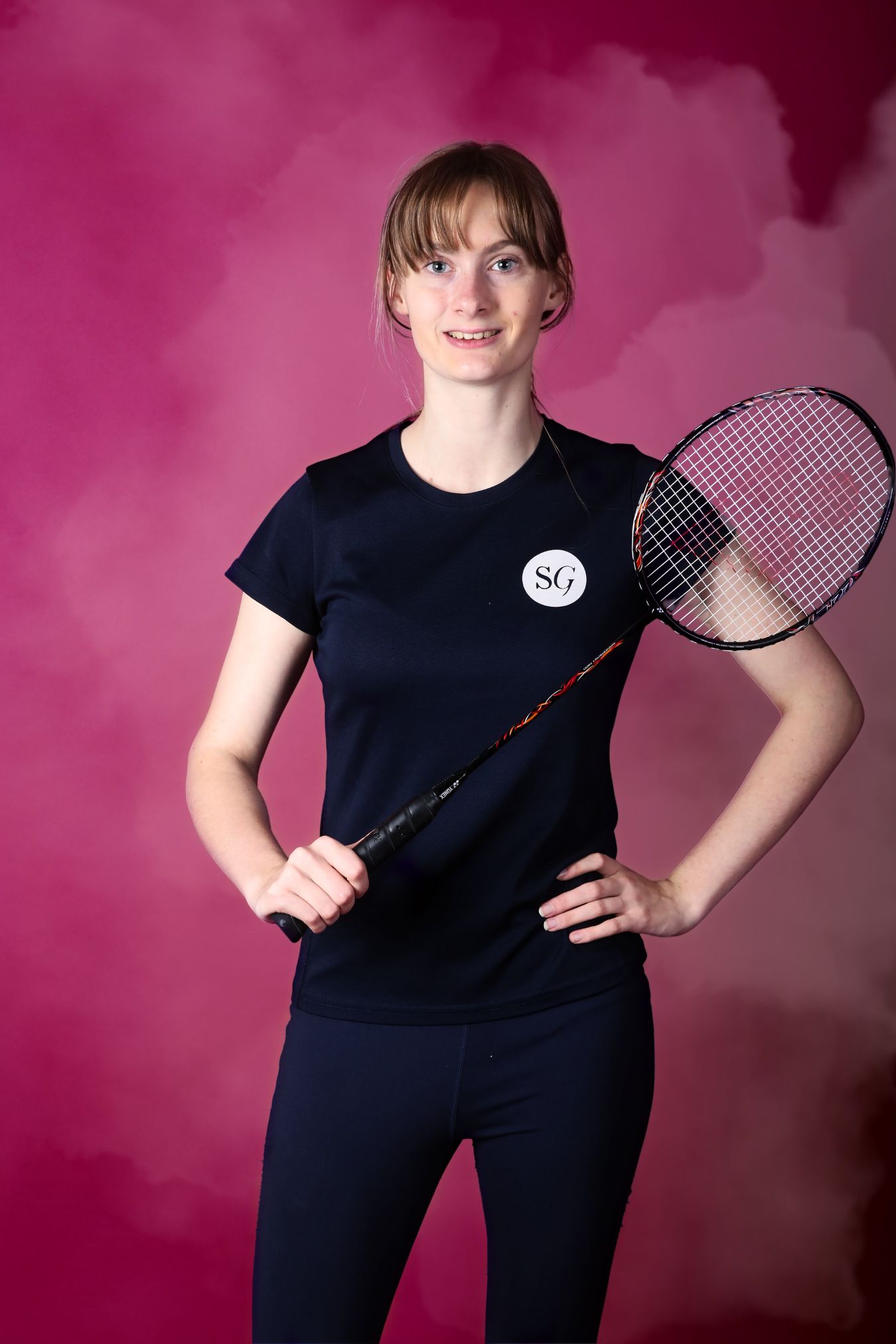
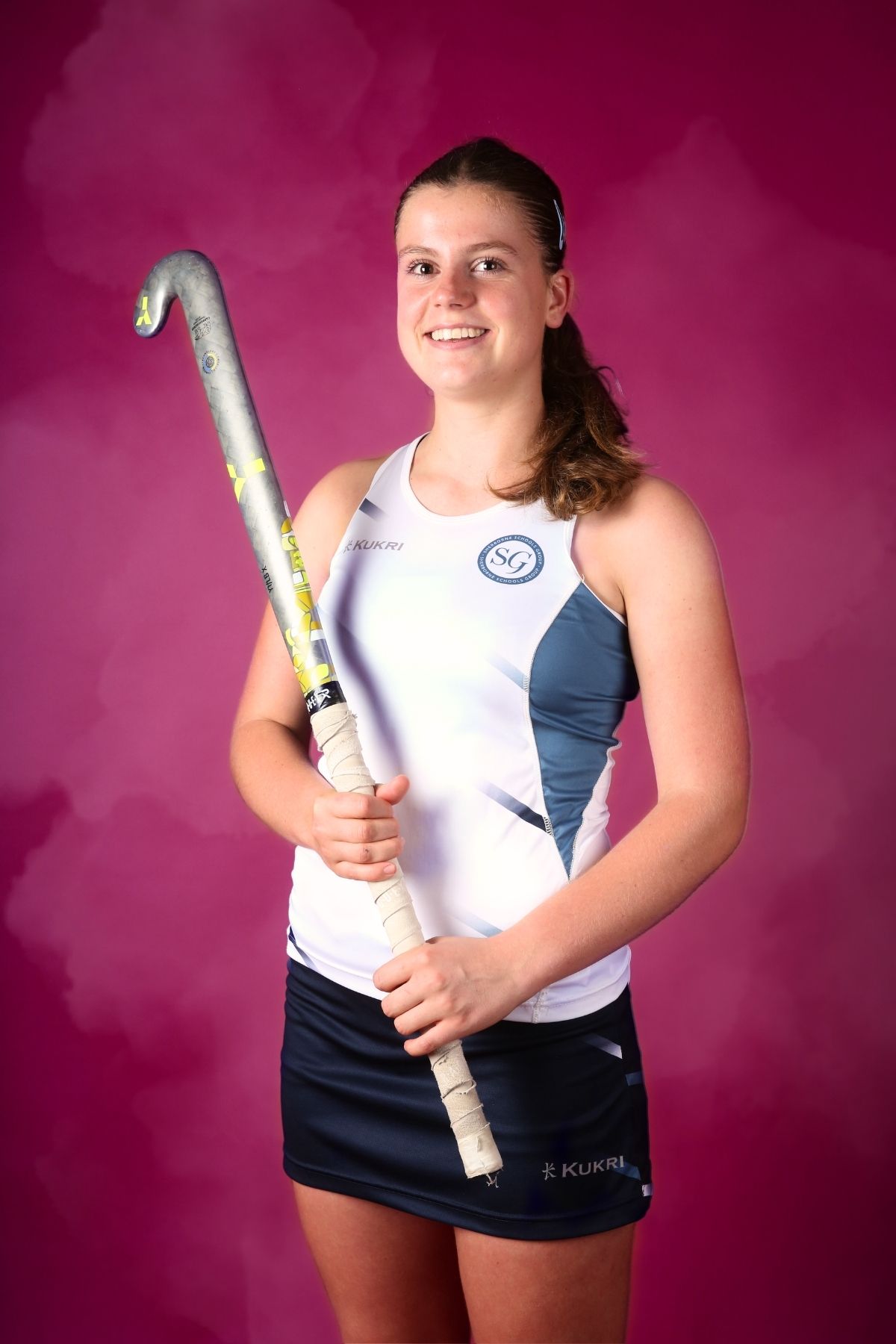
At Sherborne Girls, Sport Captains play an important role in shaping the school's sporting culture. Beyond representing their teams, they set standards and provide an example for younger girls, demonstrating that leadership is measured as much by attitude and commitment as by sporting achievement.
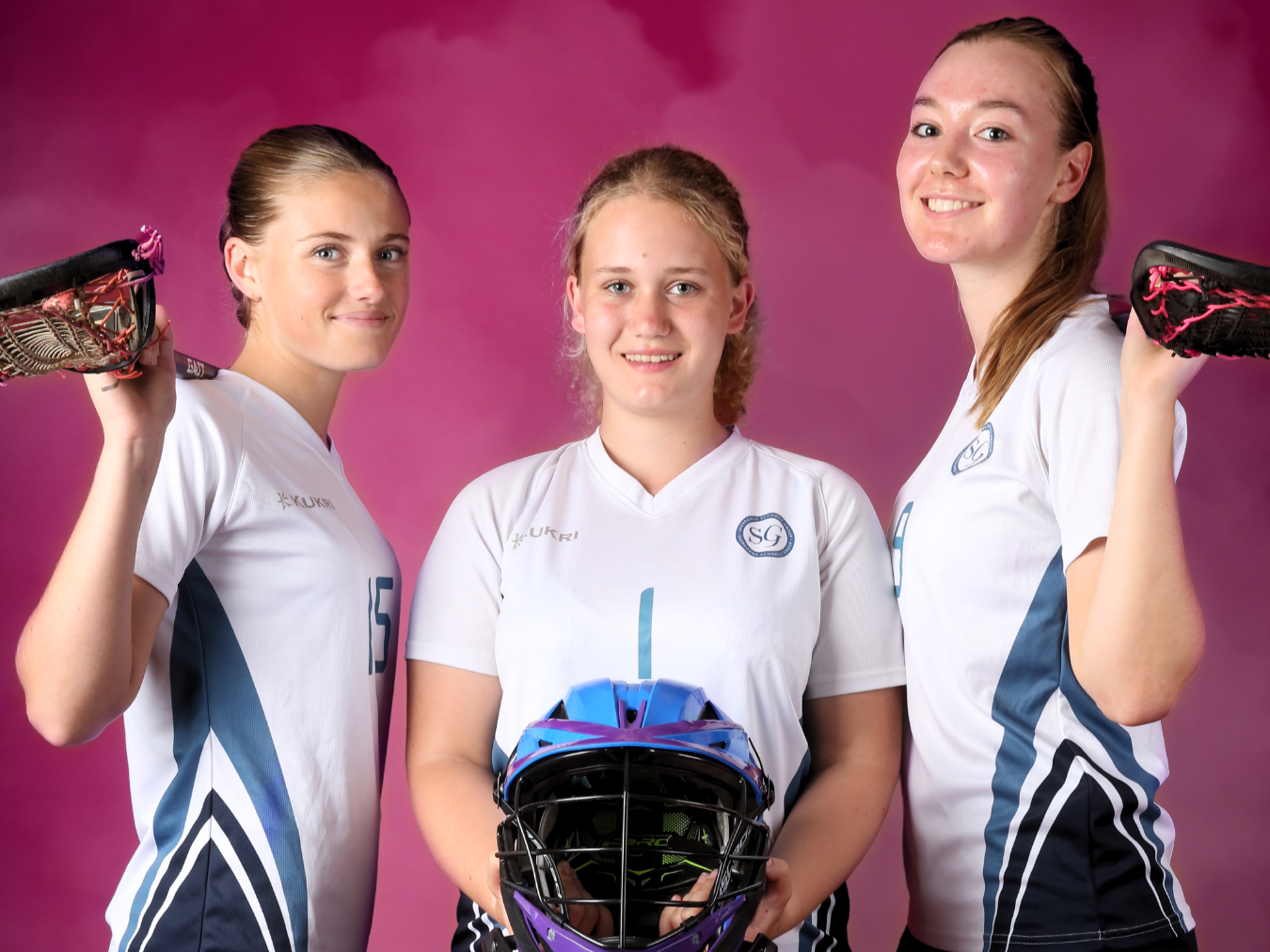
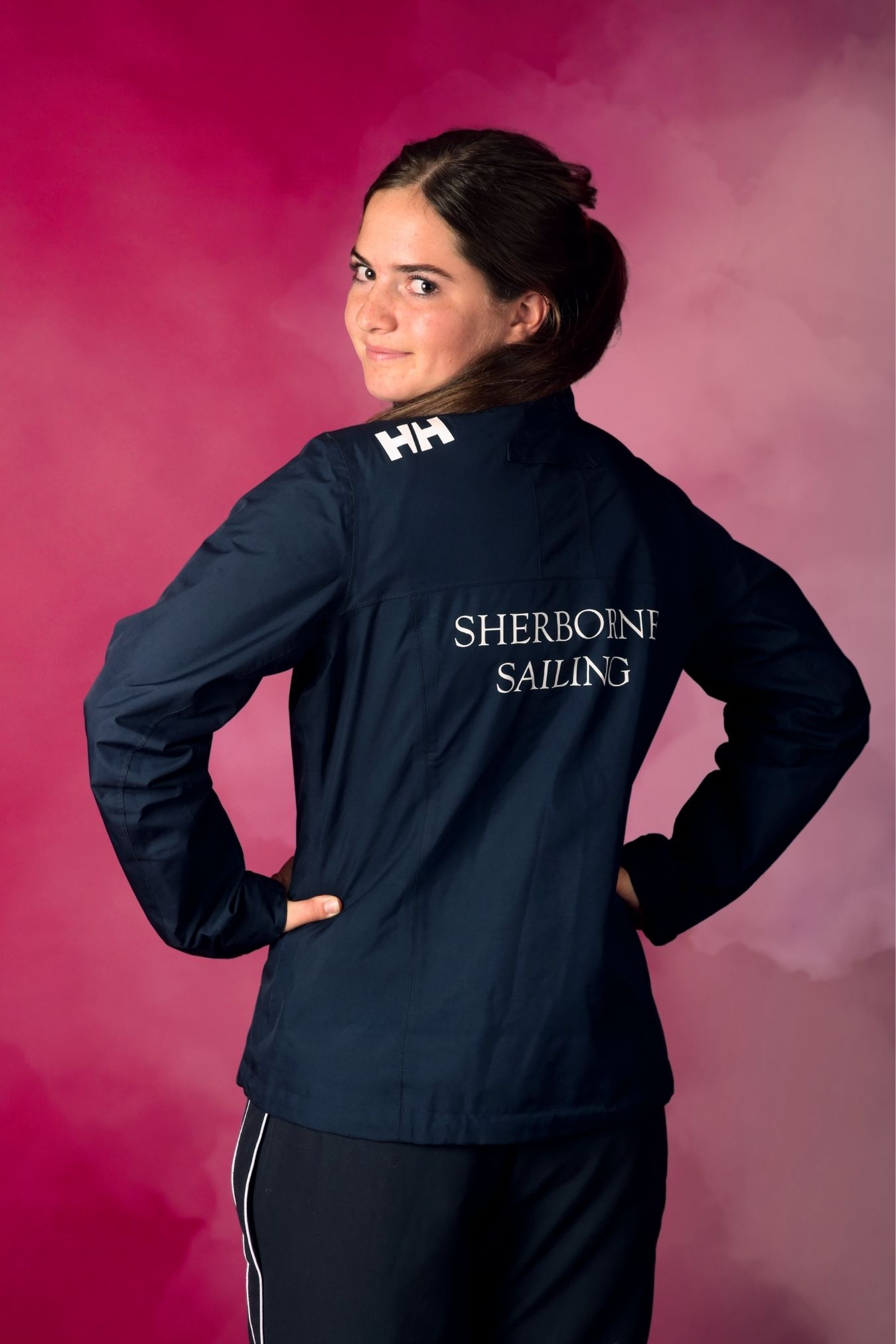
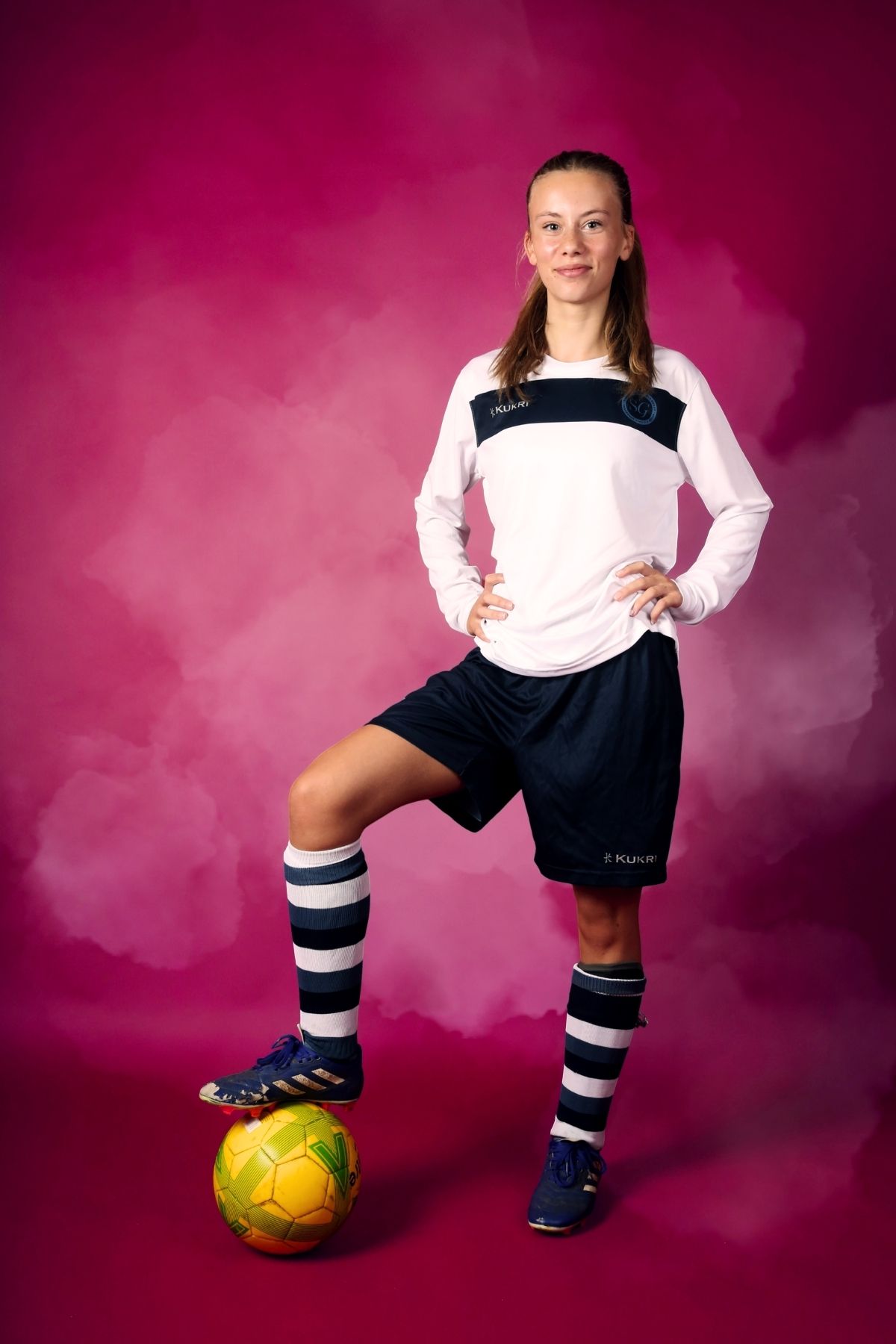
This winter, Emily (Badminton), Martha (Football), Prim (Hockey), Molly (Sailing) and Lilli (Lacrosse) take on these responsibilities across four different sporting disciplines. While each sport presents its own challenges, the qualities that underpin effective leadership remain consistent: communication, determination, teamwork and the ability to bring out the best in others.
The significance of early leadership experiences is increasingly supported by research. A 2026 international study by Parity, involving more than 9,500 respondents, found that women who had participated in sport for at least three years during their school years were nearly 50% more likely to hold leadership positions in the workplace than those with little or no sporting experience. The findings highlight the value of sustained sporting participation in developing qualities that extend well beyond school, an approach reflected at Sherborne Girls, where 85% of pupils (L4–U6) represented the school in competitive fixtures during the 2025–26 academic year.
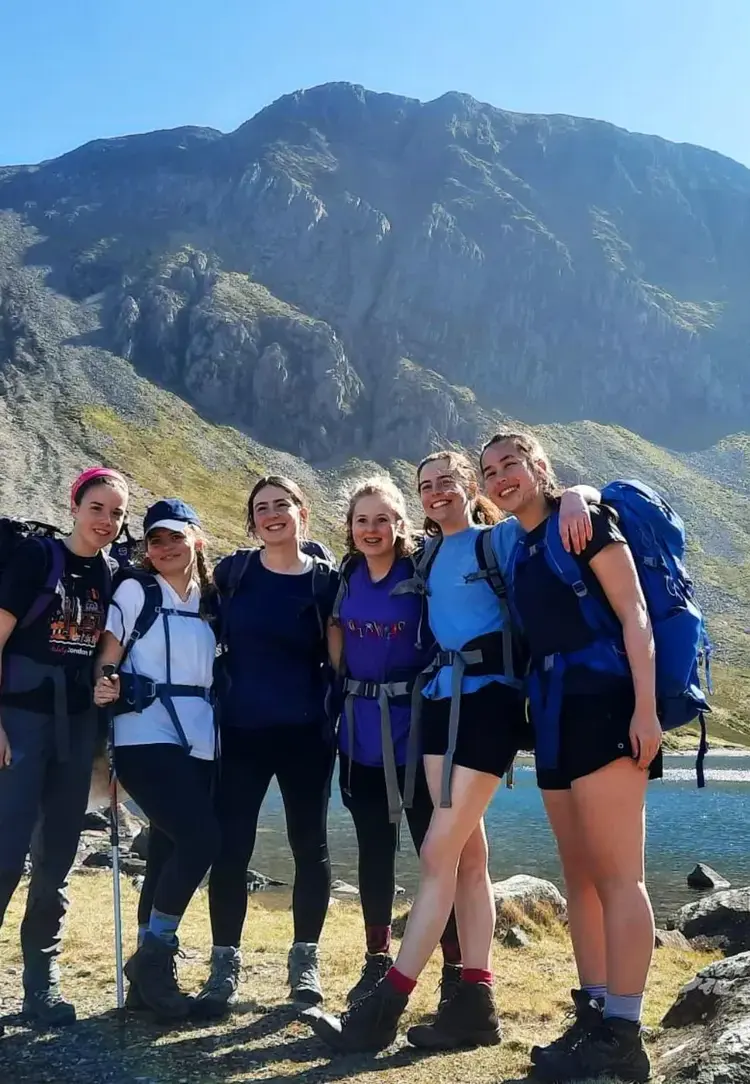
Captaincy provides an opportunity to put Character Education skills into practice. Balancing personal performance with the needs of a team, making decisions under pressure and responding constructively to setbacks all require maturity and self-awareness. Whether on the lacrosse pitch, hockey field or the water, girls learn that effective leadership is not about always having the answers, but about taking responsibility, learning from mistakes and supporting those around them.
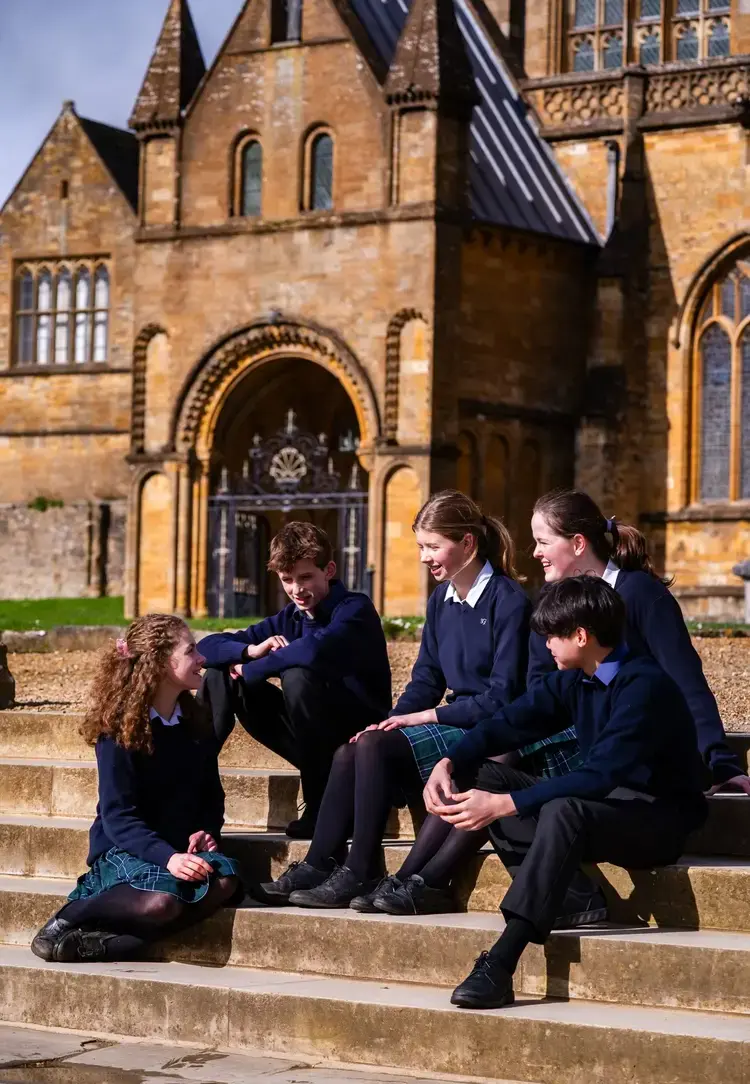
The visibility of female leadership is equally important. Historically, women have faced fewer opportunities to lead within sport, making positive role models particularly valuable. At Sherborne Girls, seeing senior pupils take responsibility, make decisions and lead with confidence helps younger year groups recognise their own potential. These everyday examples can encourage girls to pursue leadership opportunities, both within sport and in other areas of school life.
As of January, Character development will be recognised through our department’s virtue card initiative. Girls demonstrating any of Sherborne Schools Group’s six Character Education virtues – respect, resilience, curiosity, empathy, service and integrity - through their sporting experiences can be awarded individual cards, each forming part of a larger puzzle. Collecting the complete set reveals the school's logo, providing a tangible way to celebrate the behaviours and attitudes that contribute to a positive sporting environment.
In the meantime, for Emily, Martha, Prim, Molly and Lilli, their captaincy this term offers an opportunity to develop skills that will remain relevant even once they have left Sherborne. Their influence will reach beyond their immediate teams and help to establish a culture in which younger girls feel confident to participate, contribute and eventually take on leadership responsibilities themselves.
Where Next?